Are Smartwatches Worth It? Who Gets the Most From One
A smartwatch is worth it if you’ll use its notifications, activity tracking, health insights, or safety features most days. It’s harder to justify if you mainly want to check the time or don’t want another device to charge.
On this page (7 sections)
A smartwatch is worth it if you’ll use its notifications, activity tracking, health insights, or safety features most days. It’s harder to justify if you mainly want to check the time or don’t want another device to charge.
Think about what you want the watch to do during a normal week. If you’d check workout progress, glance at alerts, or use sleep and activity summaries, those features may earn a place on your wrist.
Who gets the most value from a smartwatch?
People who use wrist alerts, activity tracking, and other watch features as part of their daily routine tend to get the most value. A smartwatch can make those tasks easier to check without taking your phone out every time.
It may suit you if you want to track walks or workouts, see notifications at a glance, or review sleep and health information. Some models add safety features or music storage, while others focus more on fitness tools and longer battery estimates.
A watch can also help if you want a quick view of your day. For example, the Apple Watch SE 3 can show notifications and let you send a text or take a call when connected to an iPhone or Wi-Fi.
If you’re not sure which features matter, start with our guide to what a smartwatch does day to day. It can help you separate features you’d use from ones that only sound appealing.
When is a smartwatch not worth it?
A smartwatch may not be worth it if you only want the time or don’t plan to use its extra features. A phone already handles many connected tasks, so a second screen can feel unnecessary if you rarely check your wrist.
Battery routines matter, too. Some models advertise daily charging, while others advertise longer intervals between charges; if you don’t want to keep track of another device, that difference can affect how often you wear it.
A watch may also be a poor fit if it doesn’t work well with your phone or if its size and band feel uncomfortable. Check compatibility and think about fit before choosing.
Our smartwatch buying guide explains how to compare those basics.
Which smartwatch features make the purchase worthwhile?
The features that make a smartwatch worthwhile are the ones you’ll use regularly, such as workout tracking, alerts, health summaries, or safety tools. More features don’t automatically make a watch a better fit for you.
Is a smartwatch worth it for notifications?
Wrist notifications are useful if you want to see calls, texts, or app alerts without reaching for your phone. They’re less valuable if your phone is already easy to access or you prefer to keep alerts out of sight.
Think about which alerts you would actually want on your wrist. A watch that can show notifications may help you screen a glance, but it can also add interruptions if you enable every app.
Is a smartwatch worth it for fitness tracking?
Fitness tracking can be worth paying for if you want a record of your walks, workouts, or daily movement. The value depends on whether you’ll use that information to plan activity or review progress.
Features differ. The Garmin vivoactive 5 includes more than 30 built-in indoor and GPS sports apps, while the Amazfit Bip 6 offers more than 140 workout modes.
Those counts don’t tell you which one suits you; check that your preferred activities are included.
If you want to compare activity tracking with a simpler device, see smartwatch vs. smart band. A band may suit you if you want basic tracking without as many smartwatch functions.
Are health insights enough reason to buy one?
Health insights can be a reason to buy a smartwatch if you’ll use them as general information about your routine. They aren’t a substitute for medical advice or a diagnosis.
The Apple Watch SE 3 includes temperature sensing for insights in the Vitals and Cycle Tracking apps, sleep score tracking, and sleep apnea notifications. Garmin describes its health metrics as close estimates, and the Amazfit Bip 6 tracks heart rate, sleep, blood oxygen, and stress.
Choose based on the information you want to review, and keep expectations measured. If a health concern needs attention, talk with a health professional rather than relying on watch readings.
Are smartwatch safety features worth paying attention to?
Safety features may matter if you want a watch that can help connect you with emergency services after certain events. Check the exact feature and its conditions before you rely on it.
The Apple Watch SE 3 can detect a hard fall or severe car crash and can automatically help connect you with emergency services and notify emergency contacts. That may be valuable to some users, but no watch replaces a phone or a plan for getting help.
Which options suit different kinds of buyers?
Choose a smartwatch based on the features you’ll use and the charging routine you can live with. These three options offer different mixes of connected functions, fitness tools, and advertised battery life.
The Apple Watch SE 3 GPS 40mm may suit you if you use an iPhone and want wrist notifications, workout metrics, and health features. Apple describes its battery life as up to 18 hours, with fast charging that can add up to 8 hours of battery in 15 minutes.
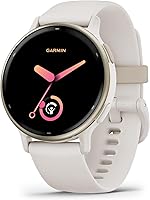
The Garmin vivoactive 5 may fit a routine centered on activity and health tracking. Garmin advertises up to 11 days in smartwatch mode, or 5 days with the display always on, and it supports Android and iOS devices.
The Amazfit Bip 6 may appeal if you want built-in GPS and many workout modes, along with an advertised battery life of up to 14 days. It’s compatible with Android 7.0 and above and iOS 14.0 and above.
How much does battery life affect smartwatch value?
Battery life affects smartwatch value because it sets how often you’ll need to charge the watch. Compare the maker’s estimate with the features you plan to use and the routine you prefer.
The watches here have different estimates: Apple describes the SE 3 as an 18-hour watch, Garmin lists up to 11 days in smartwatch mode, and Amazfit lists up to 14 days. These estimates depend on the model and use conditions, so they don’t guarantee the same experience for every wearer.
If you want fewer charging stops, compare the options in our smartwatch battery life guide. If you’d like to understand when replacement might make sense, read how long smartwatches last.
How can you decide if a smartwatch is worth it for you?
A smartwatch is more likely to be worth it when you can name a few features you’ll use every week. Start with the jobs you want it to do, then check phone compatibility, fit, and battery estimates.
Make a short list: alerts, workout tracking, health summaries, safety features, or music. If none of those matters much to you, you may not need a smartwatch.
If you’ll use fitness tools, compare the activities and metrics on each watch. If you mainly want alerts, check how it connects to your phone and whether its charging routine feels manageable.
For your next step, use the smartwatch buying guide to compare fit and features. Choose a watch if its daily benefits match your routine; otherwise, keep your phone or consider a simpler band.
FAQ
Are smartwatches worth it if you already have a phone?
They can be, if you want activity tracking, health insights, or alerts on your wrist without reaching for your phone. A phone already covers calls, messages, apps, and the time, so focus on the watch features you would use often.
Check phone compatibility before choosing.
Are smartwatches worth it for fitness?
A smartwatch can be useful for tracking workouts, steps, and other activity, especially if you like reviewing progress on your wrist. Features vary by model, so compare the activities and metrics you care about.
Treat health readings as estimates, not a diagnosis.
How often do smartwatches need charging?
It depends on the model and how you use it. Some watches in this guide advertise up to 18 hours, while others advertise up to 11 or 14 days under stated conditions.
Check the maker’s battery estimate and consider whether that charging routine suits you.
Who should skip a smartwatch?
Skip one if you only need the time, don’t want wrist alerts, and won’t use its activity or health features. A phone or simpler band may cover what you need.
If charging another device sounds like a chore, compare battery life before deciding.
Frequently asked questions
Are smartwatches worth it if you already have a phone?
They can be, if you want activity tracking, health insights, or alerts on your wrist without reaching for your phone. A phone already covers calls, messages, apps, and the time, so focus on the watch features you would use often.
Check phone compatibility before choosing.
Are smartwatches worth it for fitness?
A smartwatch can be useful for tracking workouts, steps, and other activity, especially if you like reviewing progress on your wrist. Features vary by model, so compare the activities and metrics you care about.
Treat health readings as estimates, not a diagnosis.
How often do smartwatches need charging?
It depends on the model and how you use it. Some watches in this guide advertise up to 18 hours, while others advertise up to 11 or 14 days under stated conditions.
Check the maker’s battery estimate and consider whether that charging routine suits you.
Who should skip a smartwatch?
Skip one if you only need the time, don’t want wrist alerts, and won’t use its activity or health features. A phone or simpler band may cover what you need.
If charging another device sounds like a chore, compare battery life before deciding.