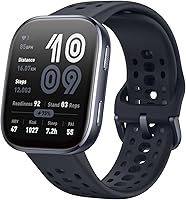
Apple Watch 12 vs Apple Watch Ultra 4: Which to Buy? (November 2026)
Pick the Apple Watch Ultra 4 for multi-day battery, satellite SOS and a titanium build. Pick the Apple Watch Series 12 for a lighter 42mm case and a simpler GPS-only setup that suits everyday wear.
On this page (11 sections)
- Apple Watch 12 vs Ultra 4: the quick verdict
- The two watches side by side
- Battery life is the first thing that decides it
- Which size and weight suits your wrist
- GPS and cellular: where the Ultra 4 pulls ahead
- Health and training features they share
- Water resistance and build quality
- Safety features and emergency help
- Who should buy the Apple Watch Ultra 4
- Who should buy the Apple Watch Series 12
- The verdict on Apple Watch 12 vs Apple Watch Ultra 4
Pick the Apple Watch Ultra 4 for multi-day battery, satellite SOS and a titanium build. Pick the Apple Watch Series 12 for a lighter 42mm case and a simpler GPS-only setup that suits everyday wear.
The apple watch 12 vs apple watch ultra 4 question isn't really about which watch is better. It's about which one fits your wrist, your training and the way you use a phone.
Both run the same health software. The difference sits in the shell, the battery and what happens when you leave the city behind.


Apple Watch 12 vs Ultra 4: the quick verdict
The Ultra 4 wins overall for most active buyers, but the Series 12 is the better fit for plenty of people. Our score puts the Ultra 4 at 8.6 and the Series 12 at 8.5, a gap of one tenth.
That near-tie is the honest picture. The two watches share heart rate sensing, the Vitals app, sleep scores, menstrual cycle tracking and blood oxygen readings.
Apple uses the same core health tools across both.
What separates them is endurance. The Ultra 4 is a 49mm titanium watch with 100m water resistance, satellite communications and up to 45 hours of workout tracking.
The Series 12 is a 42mm aluminum watch with 24 hours of normal use and a much lighter body.
If you run ultras, dive or hike where there's no signal, the Ultra 4 earns its higher score. If you want a small watch that handles messages, workouts and sleep, the Series 12 does the job.
The rest of this comparison digs into the points that actually change the answer. Battery, size, GPS and build are where the two diverge, and each one favors a different kind of buyer.
Health and safety sit in the middle, close enough that they rarely break the tie alone.
The two watches side by side
| Product | Best for | Case | Battery | Water | Our score |
|---|---|---|---|---|---|
| Apple Watch Ultra 4 GPS + Cellular 49mm | outdoor endurance | 49mm titanium | Up to 45 hours workout | 100m | 8.6 |
| Apple Watch Series 12 GPS 42mm | everyday wear | 42mm aluminum | Up to 24 hours | 8.5 |
The table shows how different these two are once you look past the shared software. One watch is built for events and remote routes, the other for the daily routine.
The Ultra 4 carries a titanium case and a sapphire crystal display, which Apple says suits extreme environments. It measures 49mm across and weighs 15.1 ounces.
The Series 12 uses an aluminum case at 42mm and weighs 8.6 ounces. Apple now fits Ceramic Shield 2 to aluminum cases, and it says that glass is tougher than any smartwatch glass.
The choice comes down to how you'll wear them.
How the battery claims differ in practice
Apple rates the two watches in different ways, and that makes the gap bigger than the raw numbers suggest. The Ultra 4 figure of 45 hours is measured in Max Extended Workout tracking, the mode meant for long events.
The Series 12 figure of 24 hours is normal use.
Read the labels closely and the Ultra 4 still wins on endurance. A workout-heavy day drains any watch faster than a desk day, so the model that lasts 45 hours while tracking exercise has real headroom when you're not.
The fast-charge claims follow the same split. Fifteen minutes gives the Ultra 4 up to 18 hours of use.
The same fifteen minutes gives the Series 12 up to 12 hours of normal use. Both top up quickly, but the Ultra 4 gets more hours per minute plugged in.
Battery life is the first thing that decides it
The Ultra 4 lasts longer in workout mode. Apple rates it at up to 45 hours of Max Extended Workout tracking, against 24 hours of normal use for the Series 12.
That gap changes how you travel. A multi-day hiking trip or an ultramarathon can run on one charge with the Ultra 4.
With the Series 12, you'll plan a charge stop almost every day.
Both fast-charge. Apple says 15 minutes gives the Ultra 4 up to 18 hours of use, and the same 15 minutes gives the Series 12 up to 12 hours of normal use.
Charging speed helps, but it doesn't replace capacity. If you're away from power overnight, the Ultra 4 is the watch that still has a screen on in the morning.
Sleep tracking is the other angle. A watch that dies before dawn can't score your night, so the Ultra 4 leaves more margin if you forget to charge.
Think about the longest stretch you'll be away from an outlet. A weekend camping trip, a night shift or a long-haul flight with no seat power all push toward the Ultra 4.
A normal week with a charger on the nightstand makes the Series 12 easy to live with.
Which size and weight suits your wrist
The Series 12 is the one most people can wear all day without noticing it. Its 42mm case and 8.6-ounce weight sit closer to a normal watch.
The Ultra 4's 49mm titanium case is a big piece of metal. It's built to take hits on rock and in water, and it looks the part.
A bigger case also means a bigger display, which helps when you're reading pace or maps at a glance. On a narrow wrist, though, 49mm can catch on cuffs and gloves.
Think about the sleeve test. If you wear a shirt or a jacket to work, the Series 12 slips under a cuff with less fuss.
If your watch lives over a wetsuit or a trail layer, the extra bulk is a fair trade.
Think about the overall package too. The Ultra 4 measures 8.43 x 4.65 x 1.5 inches and weighs 15.1 ounces.
The Series 12 measures 9.45 x 3.03 x 1.18 inches and weighs 8.6 ounces. Those Series 12 numbers describe the thinner, lighter package on your wrist.
Either watch should be paired to an iPhone before first use, and our walkthrough on how to pair an Apple Watch to your iPhone covers the steps.
GPS and cellular: where the Ultra 4 pulls ahead
The Ultra 4 has precision dual-frequency GPS and built-in cellular; the Series 12 GPS model relies on your iPhone or Wi-Fi. That difference matters most when you train without a phone.
Dual-frequency GPS uses two signals to hold a fix in cities and canyons where single-band GPS drifts. Apple pitches it at distance running, triathlons and mountain biking.
The Ultra 4 also adds satellite communications. If you don't have cell service or Wi-Fi, Apple says you can text emergency services.
That's a safety layer the Series 12 doesn't offer.
Cellular on the Ultra 4 means calls, music streaming and AirPods listening without your iPhone. You can leave the phone at home on a run and still be reachable.
The Series 12 GPS model keeps you connected through your iPhone or Wi-Fi. That's plenty for most days, and it's the simpler setup if your phone is always nearby.
For a wider look at how Apple's watches stack up against the Android side, read our Apple Watch vs Galaxy Watch comparison.
Health and training features they share
Both watches track the same core health metrics. Apple gives each model HRV readings as often as every five minutes and background heart rate every five seconds.
Each one runs the Vitals app for overnight metrics and a daily sleep score. You also get menstrual cycle tracking and blood oxygen readings on both.
The readiness experience works the same way on each watch. It gives one score for your capacity to take on the day, based on recent activity, vitals and sleep.
Training tools overlap too. Pacer, Heart Rate Zones and custom workouts appear on both.
The Series 12 adds Workout Buddy powered by Apple Intelligence from your nearby iPhone.
The Ultra 4 goes further with training load and a wider workout list aimed at triathlons and mountain biking. It also carries the same Siri AI and Audio Intelligence features, including Live Rewind and Siri Recap.
Apple says Siri AI is rolling out in English, and some Audio Intelligence features arrive in beta late in 2026. Usage limits may apply on both watches.
When the shared health suite is enough
For a lot of people, the shared tools decide the whole purchase. If you mainly want sleep scores, readiness, cycle tracking and blood oxygen, both watches deliver the same experience.
The split only opens when you want more context from your training. Training load on the Ultra 4 helps you see how hard a week stacked up against the last one.
That's useful if you race and taper. It matters less if you walk and lift a few times a week.
Water resistance and build quality
The Ultra 4 is rated to 100m with a titanium case; the Series 12 covers normal swimming. That's the short answer on durability.
Apple lists the Ultra 4 as water resistant up to 100m, which it says suits swimmers, divers and high-speed water sports. The sapphire crystal display adds scratch protection.
The Series 12 aluminum case now uses Ceramic Shield 2. Titanium and ceramic versions of the Series 12 get a crack-resistant sapphire crystal display instead.
Both watches are built to go in the pool. If you want the full picture on wearing either one in water, our guide on whether you can swim with an Apple Watch explains the limits.
Divers and open-water swimmers should lean toward the Ultra 4. The 100m rating and titanium shell are built for repeated exposure, not just the occasional lap.
The materials tell the same story. Titanium is the reason the Ultra 4 carries more weight, and that mass is part of why it shrugs off knocks.
The aluminum Series 12 stays light because lightness is its job.
Safety features and emergency help
Both watches call for help after a hard fall or severe crash. The difference is what happens when there's no phone signal.
The Series 12 detects a hard fall or severe car crash, automatically helps connect you with emergency services, and notifies your emergency contacts. That covers most accidents in town.
The Ultra 4 adds satellite communications on top. Apple says you can text emergency services from remote areas without cell service or Wi-Fi.
For a trail runner or a hiker who ranges beyond coverage, that satellite link is the strongest reason to pick the Ultra 4. It's a feature you hope never to use.
The fall and crash detection on the Series 12 is still a serious safety tool. For a commute, a gym session or a weekend in town, it covers the realistic risks.
The satellite layer only earns its keep when the nearest cell tower is far away.
Who should buy the Apple Watch Ultra 4
Buy the Ultra 4 if you train long, travel remote or work outdoors. It's the watch for people who treat battery life and toughness as tools, not luxuries.
Runners training for marathons and ultras get 45 hours of workout tracking plus dual-frequency GPS. Triathletes get a workout list built for three sports and a 100m rating for the swim leg.
Hikers and backcountry skiers get satellite messaging as a backup when the phone shows no bars. Divers and water sports fans get the titanium case and the deeper rating.
The trade-offs are real. You'll wear a 49mm case that weighs 15.1 ounces, and you'll pay more than the Series 12 costs.
If those points don't describe your week, the Ultra 4 is more watch than you need.
Who should buy the Apple Watch Series 12
Buy the Series 12 if you want the same health tools in a lighter, smaller watch. It fits the person who checks messages, closes rings and tracks sleep.
The 42mm aluminum case weighs 8.6 ounces, so it disappears under a sleeve. Ceramic Shield 2 adds protection without the titanium bulk.
Battery life of 24 hours of normal use covers a full day plus a charge overnight. The 15-minute fast charge to 12 hours helps when you forget.
You give up dual-frequency GPS, satellite messaging and the multi-day battery. For city runs, gym sessions and daily wear, those are features you won't miss.
If you're still weighing other Apple models, our Apple Watch SE 3 vs Series 9 comparison shows where the cheaper tier lands.
The verdict on Apple Watch 12 vs Apple Watch Ultra 4
For most readers, the Apple Watch Ultra 4 is the better buy. It scores higher at 8.6 because it covers everything the Series 12 does, then adds endurance, ruggedness and a satellite lifeline.
The Series 12 is the right call for a narrower group. If you want a small watch, keep your phone close and rarely train past a couple of hours, it saves weight and keeps the full health suite.
Here's the decision rule. Pick the Ultra 4 if you run long events, dive, hike off-grid or want a watch that lasts several days between charges.
Pick the Series 12 if comfort and size come first and a single day of battery fits your routine. Either way, the pair of products below shows the two options we compared.
Frequently asked questions
Is the Apple Watch Ultra 4 worth it over the Series 12?
Yes if you run long events, train outdoors or want satellite texting where there's no signal. The Ultra 4 gives you 45 hours of workout tracking and a titanium case.
The Series 12 covers everyday health tracking for less.
Which Apple Watch is better for swimming?
Both are fine for pools. The Ultra 4 is rated to 100m with a titanium case, so it handles diving and fast water sports.
The Series 12 covers normal swimming and showering.
See our guide on whether you can swim with an Apple Watch for the details.
Does the Series 12 need an iPhone?
The GPS model works with your iPhone or Wi-Fi to stay connected. The Ultra 4 adds cellular, so it can call and stream music without your phone nearby.
Both still pair to an iPhone first.
How big is the difference in battery life?
The Ultra 4 runs up to 45 hours in Max Extended Workout mode, while the Series 12 runs up to 24 hours of normal use. For a marathon or a full day in the backcountry, that gap is the deciding factor.
Can both watches track sleep and readiness?
Yes. Both have the Vitals app, a daily sleep score and the readiness experience that scores your capacity for the day.
Both also take background heart rate readings every five seconds.